What Do Isopods Eat? Food List and Feeding Schedule
What to feed pet isopods: leaf litter and rotting wood as the staple, plus protein, calcium and vegetables, with a simple feeding schedule, foods to avoid and what research says.
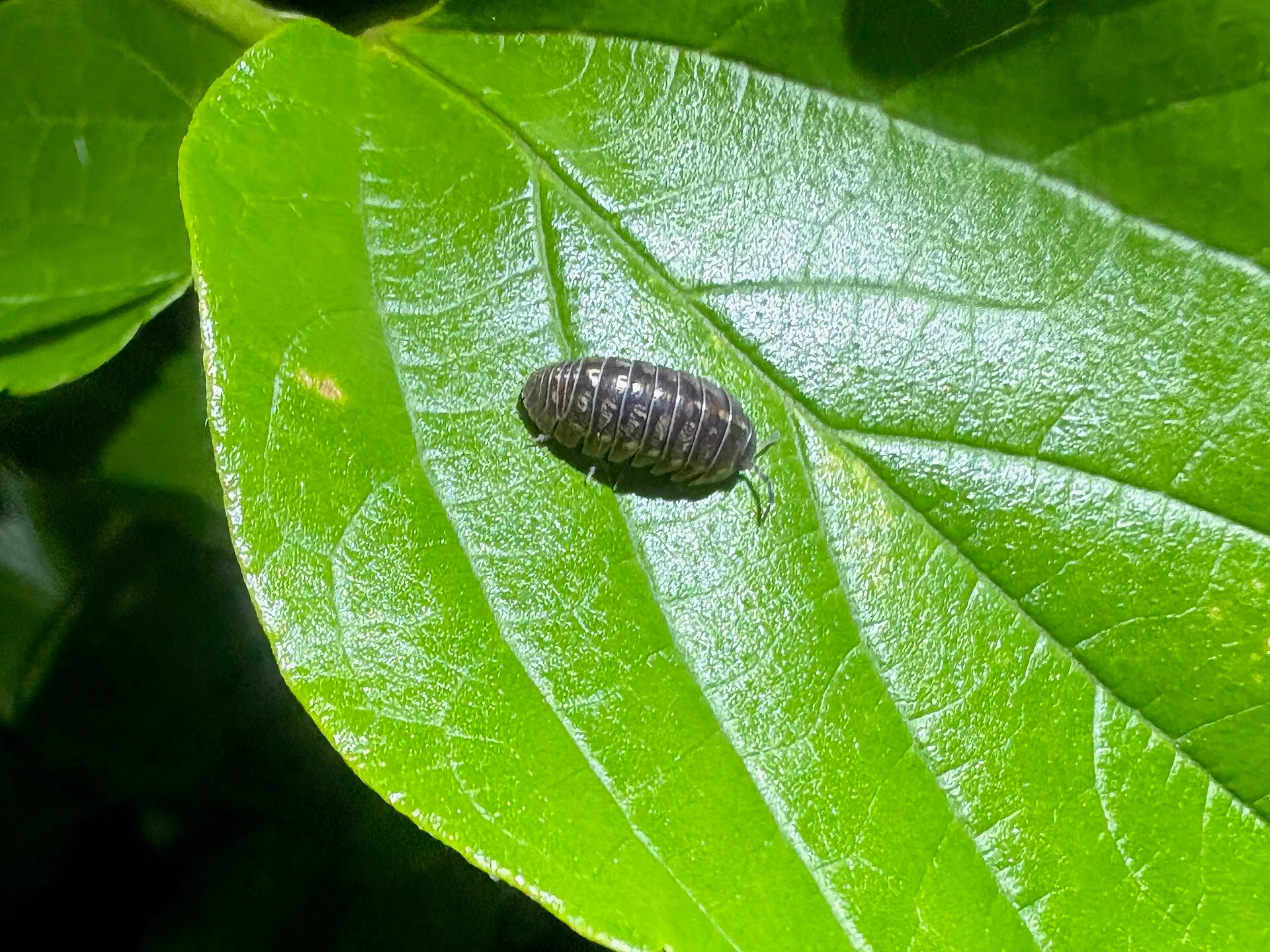 Photo: Kyu3a, CC BY-SA 4.0
In this guide
Short answer: isopods are decomposers. Their staple food is decaying hardwood leaf litter and rotting wood, which should always be available. On top of that, give a calcium source at all times (cuttlebone, eggshell or limestone), a little protein once or twice a week (fish flakes, dried shrimp, insect foods), and vegetables such as zucchini or carrot now and then. Feed only what they eat in about a day, and remove leftovers before they mold.
The staple: leaf litter and rotting wood
Isopods prefer decaying leaves to fresh ones. A review of isopod nutrition by Martin Zimmer explains that decaying litter is easier to eat and digest, and that isopods rely on enzymes and on microbes, both in their gut and on the food, to break it down. They even eat their own droppings, which are rich in microbes and nitrogen.
Research on Porcellio scaber supports this: isopods fed food carrying an older microbial film (biofilm) gained significantly more weight than those on food with a fresh film, while the type of food mattered less. In other words, well-rotted leaves are better than freshly fallen ones.
Good leaves to use, according to keepers and sellers:
| Good choices | Notes |
|---|---|
| Oak | The most widely used; breaks down slowly |
| Maple, beech, birch, elm | Common and well accepted |
| Magnolia | Large leaves, popular with keepers |
| Linden, alder, hazel, fruit-tree leaves | Reported by keepers |
Collect leaves only from places free of pesticides, dry them before use, and keep a thick layer on top of the substrate. Rotting white wood (soft, decayed hardwood) is also an important food and hiding place. Smug Bug warns that leaves smelling of ammonia have killed isopods, and suggests trying any new leaf type on a small culture first.
Protein
Protein isn’t strictly required, but it helps colonies grow. A small honors thesis on Oniscus asellus found that only the group given a high-protein diet grew in number, to about three times the size of the others. That study isn’t peer reviewed, but it matches what keepers see.
Good protein foods:
- Fish flakes or pellets
- Freeze-dried shrimp, gammarus or bloodworms
- Dried insects such as black soldier fly larvae
- Commercial isopod foods
- Reptile sheds
How often? Sources disagree. Smug Bug and Rubber Ducky Isopods treat protein as a small supplement every few days; Exuvium suggests 2–3 times a week; Josh’s Frogs feeds a commercial gel food (Repashy Bug Burger) as most of the diet. Many of these are sellers of protein foods, so a sensible middle ground is a small pinch once or twice a week, more for large, fast-breeding colonies. Remove what’s left after a day to avoid mites and mold.
Calcium
Isopods need calcium to harden their shell after each molt. They molt in two halves, back half first. Research on Porcellio scaber shows that before molting they store calcium carbonate from the old shell in deposits under their front segments, then reuse it to harden the new one quickly.
Keep calcium available all the time:
- Cuttlebone (eaten quickly)
- Crushed eggshells, dried
- Limestone or oyster shell grit
- Calcium carbonate powder sprinkled on food
Exuvium notes that Cubaris species in particular benefit from limestone, and Smug Bug highlights calcium for large Porcellio and Armadillidium.
A desert isopod study found that wild animals got much of their calcium from soil crust, and that those given only artificial calcium met their calcium needs but grew more slowly. Natural sources and a varied diet seem to help.
Vegetables and fruit
Vegetables are optional treats. Keepers commonly use:
- Zucchini, cucumber, squash and pumpkin
- Carrot and sweet potato
- Peas and leafy greens
- Fruit such as apple, banana or mango, in small amounts
Rinse fresh produce first. Fresh food molds within a day or so in a humid enclosure, so offer small pieces and remove leftovers. Dried carrot or fruit lasts longer.
Foods to avoid
- Anything with pesticides, including produce that isn’t washed and leaves from treated areas
- Salty, seasoned or processed human food
- Moldy leftovers: remove old food before adding new
- Citrus and onions: often listed as foods to avoid. We found no studies showing they harm isopods, but there’s no need to risk it.
A simple feeding schedule
| Food | How often |
|---|---|
| Leaf litter and rotting wood | Always available; top up as it disappears |
| Calcium (cuttlebone, eggshell, limestone) | Always available |
| Protein | Small amount once or twice a week |
| Vegetables or fruit | Once or twice a week, removed after about a day |
Adjust to your colony. If food disappears within hours, offer a little more; if it molds, offer less. More basics are in our isopod care guide.
Species notes
- Dwarf whites (Trichorhina tomentosa): Terrarium Tribe recommends decaying wood and leaf litter plus squash, carrots and a little dried shrimp, and notes fruit molds easily. See dwarf white isopod care.
- Powders and dairy cows (Porcellionides, Porcellio laevis): Exuvium describes them as having a high metabolism. Big, active colonies need regular food, and they can crash if food runs out.
- Cubaris (including rubber ducky): calcium-rich limestone and steady protein are commonly recommended. See rubber ducky isopod care.
Feeding isopods in a bioactive terrarium
In a vivarium, isopods live mostly on leaf litter, plant debris, animal waste and leftover insects. Keep a thick layer of leaves, and add a little extra food in arid setups, which have less natural food. See best isopods for leopard geckos and isopods vs springtails. If mites appear around old food, see grain mites in isopod cultures.
Frequently asked questions
What do isopods eat?
Mainly decaying hardwood leaves and rotting wood, plus calcium, small amounts of protein and occasional vegetables.
How often should I feed my isopods?
Keep leaf litter and calcium available at all times. Add protein and vegetables once or twice a week, in amounts eaten within about a day.
Do isopods need protein?
It isn’t strictly required, but it helps colonies grow and breed. Offer a small amount regularly.
Can isopods eat fresh leaves?
They prefer decaying leaves, which are softer and covered in microbes they digest. Dried, fallen leaves that have started to break down are best.
Sources
- Nutrition in terrestrial isopods: an evolutionary-ecological approach (Zimmer, Biological Reviews 2002)
- Biofilm feeding in Porcellio scaber (Horváthová et al., ZooKeys 2016)
- Desert isopods and soil crust (Hebrew University of Jerusalem)
- Calcium storage during molting in Porcellio scaber (Ziegler & Hild, EGU 2008 abstract)
- What do isopods eat? (Smug Bug)
- Food for isopods (Exuvium)
- What do isopods eat? (Rubber Ducky Isopods)
- Isopod culture kit (Josh's Frogs)
- Dwarf white isopods (Terrarium Tribe)
- Effect of protein on Oniscus asellus populations (Plaugher, Otterbein University honors thesis)