Dwarf White Isopod Care (Trichorhina tomentosa)
How to care for dwarf white isopods: humidity, temperature, substrate, food, how fast they breed and which bioactive enclosures they suit.
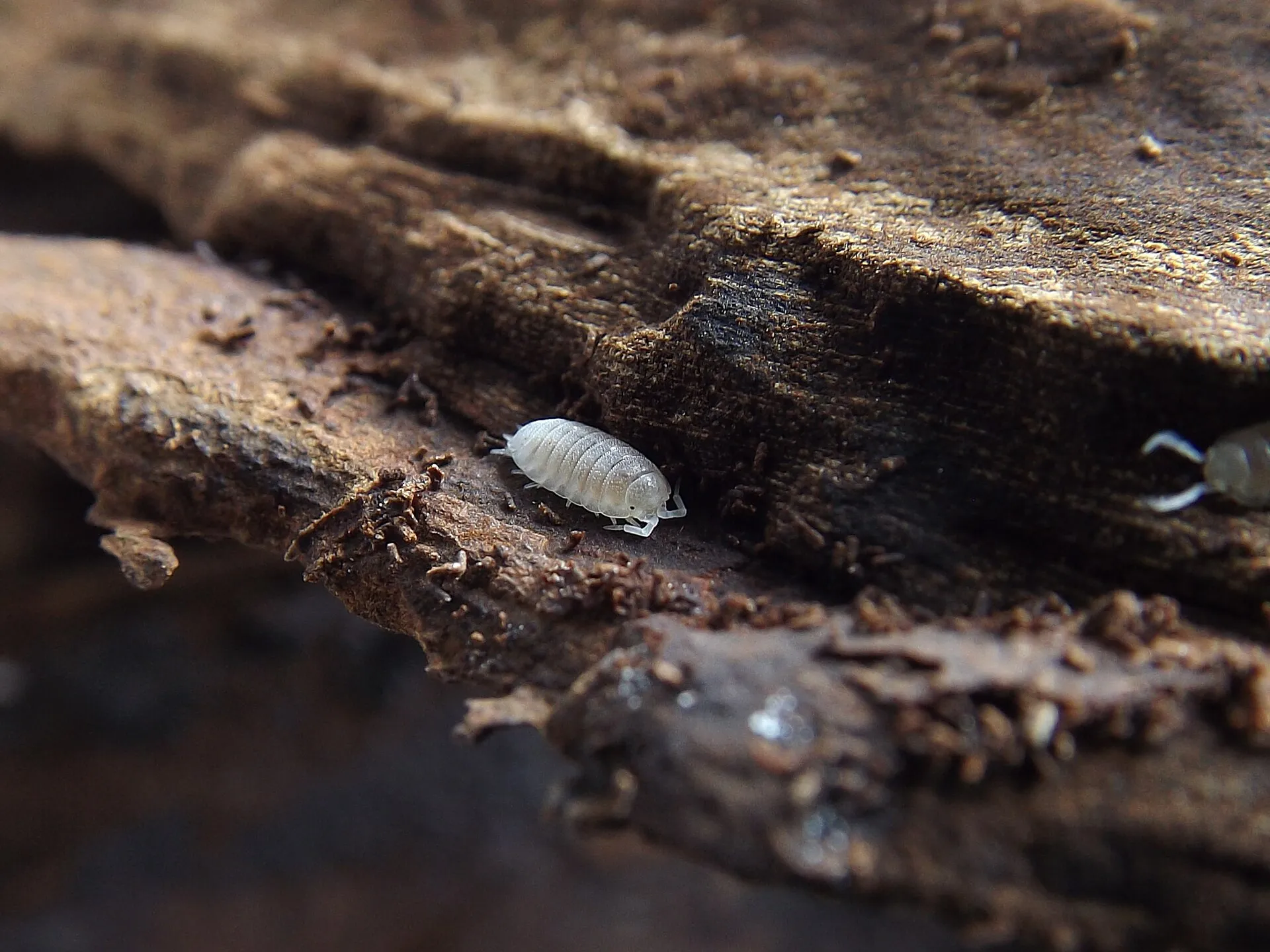 Photo: Bianca Laskowska, CC BY-SA 4.0
In this guide
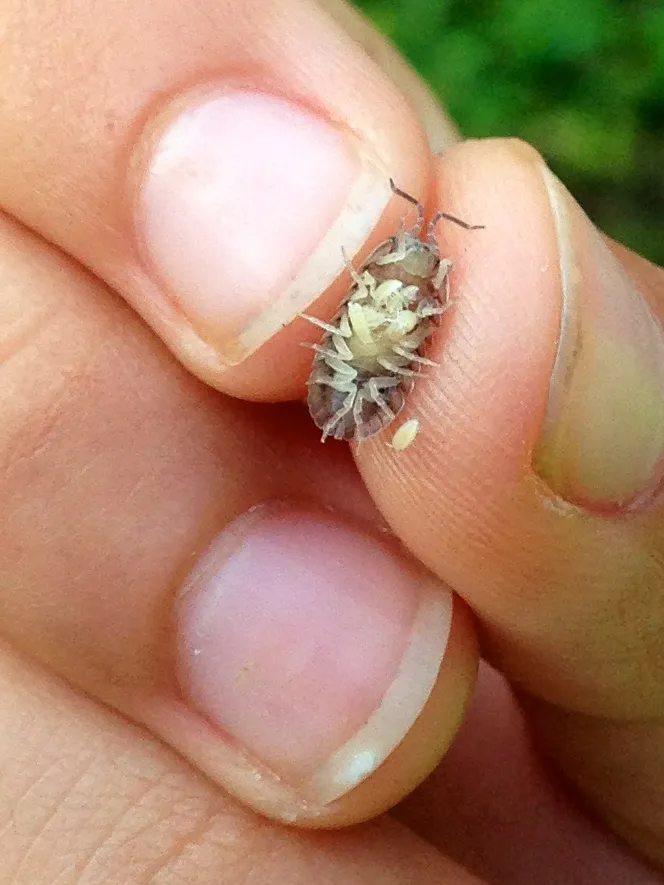
Short answer: dwarf white isopods (Trichorhina tomentosa) are tiny (about 2–3 mm), all-female isopods that reproduce without males. They need consistently damp substrate and high humidity, temperatures of about 72–82 °F (22–28 °C), leaf litter, rotting wood and a calcium source. They’re one of the most popular cleanup crew species for tropical bioactive enclosures, but they’re not suited to dry setups.
Profile
| Scientific name | Trichorhina tomentosa |
| Size | About 2–3 mm |
| Reproduction | Parthenogenetic: only females, no males needed |
| Humidity | High, with damp substrate |
| Temperature | About 72–82 °F (22–28 °C) ideal |
| Best for | Tropical bioactive enclosures: dart frogs, crested geckos, small humid setups |
| Not for | Arid enclosures |
Why keepers like them
- Small and harmless. They’re too small to bother animals and too small to be a big target.
- They live in the substrate. Instead of crowding the surface, they spread through the soil and clean it from the inside.
- No males needed. Every individual can reproduce, so a small culture grows quickly once it settles.
- Food for small animals. Dart frogs and small geckos can eat them as an extra snack.
Setting up a culture
- Container: a small plastic tub with a few small ventilation holes. Dwarf whites like humid air, so don’t over-ventilate.
- Substrate: 2–3 in of moist organic substrate (coco fiber, organic topsoil and decomposed leaves), kept damp throughout.
- Cover: a thick layer of leaf litter, pieces of rotting hardwood and a flat piece of cork bark.
- Calcium: a piece of cuttlebone or crushed eggshell.
- Moisture: add water every few days so the substrate never dries out. Unlike most isopods, dwarf whites want almost the whole box damp.
Our isopod care guide covers the basics that apply to all species.
Food
| Food | How often |
|---|---|
| Leaf litter and rotting wood | Always available |
| Vegetables (zucchini, carrot, squash, cucumber) | Once or twice a week, small pieces |
| Protein (fish flakes, dried shrimp, isopod food) | Once a week, a pinch |
| Calcium (cuttlebone, eggshell) | Always available |
Remove fresh food that isn’t eaten within a day or two. Leftovers cause mold and grain mites.
How fast do they breed?
Fast, once they’re established. Because every dwarf white is a female that can reproduce, cultures grow quickly in warm, humid conditions with plenty of food. Expect a few weeks to a couple of months before you notice a clear increase, then steady growth. Warmth, moisture and protein speed it up. See how to breed isopods faster.
Which enclosures they suit
| Enclosure | Dwarf whites? |
|---|---|
| Dart frog vivarium | Yes, a classic choice |
| Crested gecko and other tropical geckos | Yes |
| Tropical snakes and lizards with humid soil | Yes |
| Leopard gecko, bearded dragon and other arid setups | Usually no |
They pair well with springtails: dwarf whites work in the soil, springtails handle mold on the surface. See how to culture springtails.
Frequently asked questions
Do dwarf white isopods need males?
No. They reproduce by parthenogenesis, and only females are known.
How big do dwarf white isopods get?
About 2–3 mm.
Can dwarf white isopods live in a dry enclosure?
No. They need constantly damp substrate and high humidity. In arid setups, choose arid-tolerant species instead.
How many dwarf white isopods do I need?
For a small to medium enclosure, a starter culture of a few dozen is plenty. They multiply quickly in good conditions.